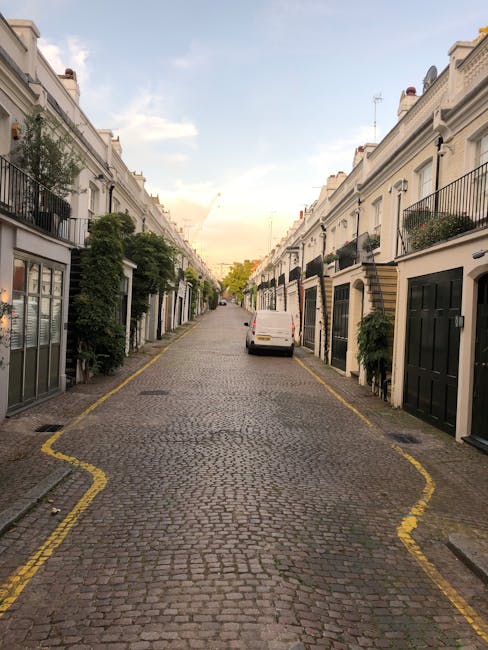
Belgrave Square removals in Belgravia access and parking

Moving in and around Belgrave Square is never just about boxes and furniture. The access is tight, the parking can be awkward, and even a small delay can throw the whole day off. If you are planning Belgrave Square removals in Belgravia access and parking, the real challenge is usually less about the move itself and more about getting the van, timing, and loading point lined up properly.
That is especially true in Belgravia, where elegant streets, controlled parking, resident-only bays, and busy daytime traffic can all shape how a removal runs. A smooth move is absolutely possible, but it needs a bit of foresight. In this guide, we'll walk through what matters, how the process works, where the pitfalls are, and what good practice looks like on the day. If you want a calmer move and fewer surprises, you're in the right place.
Why Belgrave Square removals in Belgravia access and parking matters
Belgrave Square sits in one of those parts of London where the street scene looks orderly, but the logistics can be anything but simple. The roads are attractive, yes, but they are also carefully managed, and that changes how a removals team can work. A van that cannot stop close enough to the entrance means longer carrying distances, more time on site, and a higher chance of delays. A van parked badly can create friction with residents, porters, building managers, or enforcement teams. Nobody wants that on moving day.
Access and parking matter because removal work is all about flow. A good move is a chain of small things done in the right order: arrival, positioning, loading, carrying, securing, and departure. Break the chain at the parking stage, and the rest gets harder. You will feel it immediately. Heavier items take longer. Stairwells get busier. The team tires sooner. Even the simplest job starts to feel like a puzzle with one missing piece.
In Belgravia, there is also a reputation factor. Many properties are prestigious, and many are occupied by residents who expect quiet, tidy, and efficient service. That means the move has to be careful, not just quick. Let's face it, no one wants a removal crew blocking a square with an overlong van while everyone else is trying to get in and out. Planning access properly protects your move, your property, and your neighbours' patience.
If your move is part of a broader home relocation, you may also find it helpful to look at home moves and house removals for the wider service picture. For flats and apartment-style buildings nearby, flat removals can be especially relevant because access constraints are often the main headache.
How Belgrave Square removals in Belgravia access and parking works
In practical terms, the move begins long before the van arrives. The key is to understand the building, the street layout, and the likely stopping point. A removals team will usually want to know where the vehicle can wait, whether there is a loading bay, whether the road is narrow, and how far the front door is from the safest parking position. It sounds basic. It is basic. But this is where many moves are won or lost.
Most of the time, the process looks something like this:
- Pre-move review: You share details about the property, floor level, access route, and any restrictions at the building or on the street.
- Vehicle planning: The removals provider matches the right size vehicle, from a smaller removal van to a larger moving truck depending on the load.
- Parking strategy: The team decides where to position the vehicle for the safest and shortest carry distance possible.
- Timed arrival: The crew arrives at the most workable time, often early enough to avoid peak traffic pressure.
- Efficient loading and unloading: Items are moved in a controlled sequence so the van is not left exposed longer than necessary.
That may sound like a lot of planning for a single move, but honestly, that planning is the move. In central London especially, the paperwork and the positioning can matter as much as the physical lifting. If you need a flexible, smaller-scale moving option, man and van, man with a van, and man with van services are often chosen because they are nimble in tight spaces.
One small but important detail: the safest parking point is not always the most obvious one. Sometimes a slightly longer carry from a legal, workable bay is better than trying to squeeze a vehicle into a spot that slows everything down. That is one of those things you only appreciate after you have seen a move grind to a halt over five metres of "almost enough" space.
Key benefits and practical advantages
When access and parking are planned properly, the benefits are not abstract. They show up in the pace of the day, the condition of your belongings, and the mood of everyone involved. And yes, mood matters during a move more than people admit.
- Shorter carry distances: Fewer steps from property to vehicle means less strain and lower risk of knocks.
- Faster turnaround: Good parking can shave meaningful time off the job, especially for multi-room homes.
- Less disruption: Neighbours, porters, and building staff are less likely to be inconvenienced.
- Safer handling: Heavy furniture is easier to manage when the route is direct and unobstructed.
- Lower stress: You spend less time worrying about where the van is and more time settling in.
There is also a cost-efficiency angle. If access is poor and parking is inefficient, the move may take longer. That can affect labour time and, depending on how the job is priced, the overall cost. If you are comparing options, it is worth looking at pricing and quotes early rather than after the booking is fixed. A realistic quote is much more useful than a cheap one that quietly assumes easy roadside loading.
For bigger jobs, access planning can also reduce the need for repeated trips. Sometimes a move benefits from removal services with the right vehicle mix, or even temporary storage if the property is not ready for everything to arrive at once. That can be a lifesaver, truth be told.
Who this is for and when it makes sense
This topic matters to anyone moving into or out of Belgrave Square, but some situations make it especially important. If you already know the property is awkward to stop outside, or if you are moving during a busy weekday window, access planning becomes non-negotiable.
You will usually benefit most from careful access and parking planning if you are:
- moving from a townhouse, mansion flat, or upper-floor apartment with a tight stair route
- working around concierge rules, building management requirements, or limited service access
- handling bulky items such as wardrobes, pianos, large mirrors, or delicate furniture
- planning a short-notice move where timing is tight
- organising a business relocation and need predictable vehicle positioning
For commercial clients, the issue is often about keeping the building operational. In that case, commercial moves and office removals usually need even tighter scheduling, because staff, visitors, deliveries, and access rules all have to coexist. If the space is a mixed-use or professional premises, office relocation services may make the process easier to sequence.
If you are moving a student household, a compact flat, or a single room's worth of items, a lighter vehicle setup may be more sensible. In those cases, student removals can be a practical fit. And if you only need a couple of items shifted across London, a removal van may be plenty. Simple, really.
Step-by-step guidance
Here is the most practical way to approach Belgrave Square removals in Belgravia access and parking without making life harder than it needs to be.
- Map the access route. Note the front entrance, side access, staircases, lifts, and any internal bottlenecks. If a sofa has to turn sharply at the top of a stairwell, that matters just as much as street parking.
- Check the parking reality. Look at whether stopping briefly is feasible, whether there is a loading area, and whether the street layout supports a safe set-down point. Do not assume the nearest space is the best one.
- Share restrictions early. Let the removals team know about concierge rules, timed access slots, building permits, or narrow entry points. Surprises are expensive.
- Choose the right vehicle. A smaller van may be better for tight central London streets, while a larger truck may suit bulkier household or office loads. The right fit matters more than the biggest fit.
- Plan the arrival window. Aim for a time that avoids the worst of local traffic and makes it easier to secure a short stay near the property.
- Stage items in advance. Boxes, lamps, and detachable parts should be ready before the vehicle arrives so the crew can work continuously.
- Protect the carrying route. Keep hallways clear, floor protection ready if needed, and fragile items separated from heavy pieces.
- Confirm the exit plan. Make sure the vehicle will not be trapped in a position that forces awkward reversing or extra manoeuvring after loading.
That last point is easy to overlook. People often focus on arrival and forget departure, but in a place like Belgravia the way out can be just as important. If the van has to reverse into traffic or negotiate a narrow corner under pressure, the whole day gets tense. Nobody wants that little spike of panic at 4:45 p.m.
Expert tips for better results
There are a few habits that make a surprisingly big difference on moving day. These are the sorts of things experienced crews notice immediately.
- Put the heaviest items near the access point first. If the lift is tiny or the stairs are awkward, load the bulky pieces while the team is freshest.
- Use labels that actually help. "Kitchen - fragile - top shelf" is useful. "Misc" is not.
- Keep one person free to manage doors and parking. Even a good move slows down if every door is a negotiation.
- Ask about vehicle size before booking. For some streets, smaller is smarter. Bigger is not always better. Old London streets have a way of teaching that lesson.
- Build in a cushion. A 30-minute delay at the start can be normal in central London. If you mentally plan for zero delay, everything feels worse.
In our experience, the calmest moves are the ones where the client has already decided what matters most: speed, budget, or ease. You can usually have two of those, sometimes all three, but not by accident. And if you are moving items that need extra care, check whether piano removals or furniture removals are more appropriate than a generic service.
Small tip, but a useful one: keep kettle, toiletries, chargers, and a change of clothes separate from the main load. The first hour in the new place feels much better when you can find the essentials without digging through a tower of boxes. It's the little things, honestly.
Common mistakes to avoid
Most moving problems in this part of London are not dramatic disasters. They are a string of small avoidable misjudgements. The good news? That means they are fixable before the move even starts.
- Assuming roadside stopping will be easy. In Belgravia, assumptions are usually the first thing to go wrong.
- Booking the wrong vehicle size. Too large and you may struggle with access; too small and you may need extra trips.
- Ignoring building rules. Some properties need timed access, lift protection, or advance notice for contractors.
- Packing too late. If boxes are still being taped shut when the van arrives, the whole rhythm of the day breaks.
- Forgetting parking restrictions or loading limits. That can create avoidable pressure and, in the worst cases, a move that has to be paused.
- Leaving fragile items loose. One hurried carry and suddenly the frame on that mirror has a story to tell.
Another common slip is not telling the removals team about awkward items like long lamps, antiques, or oversized headboards. They might still be perfectly manageable, but the crew needs to know before they arrive. Otherwise someone is standing in the hallway doing that quiet, thoughtful pause that means, "We should have planned this differently."
Tools, resources and recommendations
You do not need a specialist kit to manage a successful move, but a few practical tools make everything smoother. A decent stack of boxes, labels, tape, blankets, and trolley access can save a surprising amount of effort. For larger or more complex jobs, full packing and boxes support or packing and unpacking services can take a lot of pressure off the day.
Useful things to have ready include:
- colour-coded labels for rooms and priority items
- photo references of fragile furniture or items that need special handling
- clear measurements for oversized objects
- building contact details if access needs to be confirmed on arrival
- basic protection for floors, corners, and doorframes where appropriate
If you want to understand how your move may be priced, the most sensible starting point is usually pricing and quotes. For general service information and company background, the about us page can also help build confidence before you book. And if you need to speak with the team directly, contact us is the obvious next step.
Law, compliance, standards, or best practice
For moves in Belgrave Square and the wider Belgravia area, compliance is mostly about common-sense professional standards, road legality, and safe working practice. Exact parking rules can change depending on location, street restrictions, local authority controls, resident arrangements, and the time of day, so it is always better to verify the practical details before moving day rather than assume a one-size-fits-all approach.
From a best-practice perspective, a good removals provider should think about:
- safe loading and unloading near traffic
- manoeuvring space for vehicles
- protecting property during carry routes
- clear communication about access limits
- insurance and responsibility for handling goods carefully
If you want extra reassurance, it is sensible to review the company's insurance and safety information, plus the health and safety policy. Those pages matter because a move in a controlled central-London setting is not the place for guesswork. The smoother the plan, the safer the day tends to be.
There are also wider business and ethical standards worth checking. Depending on the move, you may care about payment handling, terms, privacy, and sustainability. That is fair enough. Useful supporting pages include payment and security, terms and conditions, privacy policy, and recycling and sustainability. If you need accessibility details for planning the move, there is also an accessibility statement.
Options, methods, or comparison table
The best moving method depends on the size of the property, the item list, and how difficult the parking is likely to be. Here is a simple comparison that can help you think it through.
| Option | Best for | Access and parking fit | Practical note |
|---|---|---|---|
| Man and van | Small to medium moves, single-room loads, quick jobs | Very good for tighter streets and short stopping windows | Usually the easiest choice when manoeuvrability matters more than capacity |
| Removal van | Standard home removals with moderate volume | Good, if parking and carry distance are planned well | Balanced option when the move is not tiny but not huge either |
| Moving truck | Large home moves, bulkier furniture, office relocations | Can be harder in constrained streets | Best when access has been checked carefully in advance |
| Storage-supported move | Staged moves or properties with timing gaps | Useful when the new home or office is not ready yet | Reduces pressure when dates do not line up neatly |
There is no "best" option in the abstract. There is only the best fit for your building, your schedule, and your tolerance for hassle. In a place like Belgrave Square, that nuance matters.
Case study or real-world example
Here is a realistic example, based on the kind of move people often make in Belgravia.
A couple moving out of a Belgrave Square property had a mix of household items: several boxes, a dining table, a sofa, artwork, and a few fragile pieces. The building had a narrow entrance and the street offered limited stopping options during the morning. Rather than arriving and hoping for the best, the move was planned with a smaller vehicle, an earlier time slot, and a clear set-down point that avoided blocking the immediate entrance.
What changed the day was not some magic trick. It was simple preparation. The items were packed in room order, fragile pieces were separated, and the team knew in advance that one bulky item would need extra care on the turn downstairs. Because the vehicle was positioned sensibly, loading stayed steady and there was no awkward second repositioning. The move finished calmly, not noisily. That matters more than people think.
The client later said the biggest relief was not speed, but the absence of chaos. That rings true. A move with good access and parking rarely feels glamorous, but it feels controlled. And controlled is good. Very good, actually.
Practical checklist
Use this as a quick pre-move check if you are dealing with Belgrave Square removals in Belgravia access and parking.
- Confirm property type, floor level, and any lift restrictions
- Check whether there is a loading bay, timed bay, or resident-only parking nearby
- Tell the removals provider about entry codes, concierge rules, or access windows
- Measure large furniture and awkward items before moving day
- Choose the right vehicle size for the location, not just the volume
- Pack fragile items separately and label them clearly
- Keep essentials aside for first-night access
- Ask about insurance and handling procedures
- Review the quote so parking assumptions are clear
- Have a fallback plan if the first stopping point is unavailable
Quick expert summary: The best Belgrave Square move is not the one that uses the biggest van. It is the one that balances access, parking, load size, and timing so the whole day stays predictable. That is the real win.
Get a free quote today and see how much you can save.
Conclusion
Belgrave Square removals in Belgravia access and parking can feel daunting at first, but the job becomes much more manageable once you treat parking and access as part of the move itself, not a side issue. Choose the right vehicle, share the access details early, prepare the building route, and leave room for the realities of central London. That is usually what separates a rushed, frustrating move from one that just gets done properly.
If you are moving a home, office, flat, or a handful of important items, the same principle applies: the cleaner the access plan, the easier the day. Not perfect. Just well thought through. And that, in central London, is often more than enough.
There is a lot to juggle when you move, but you do not have to juggle it all at once. Take it step by step, and the rest tends to fall into place.
Frequently Asked Questions
Do I need special parking arrangements for a move in Belgrave Square?
Often, yes. At minimum, you should assume that parking and stopping need to be checked carefully before the move. The exact arrangement depends on the property, the street, and the time of day, so it is best to plan early rather than improvise on arrival.
What is the best vehicle size for Belgravia removals?
That depends on the amount you are moving and how tight the access is. Smaller vehicles are usually easier to position in constrained streets, while larger trucks make sense for bigger loads if the access route can handle them safely.
Can a man and van service work in Belgrave Square?
Yes, often very well. A smaller, more flexible setup can be ideal where parking space is limited or where the load is not large enough to justify a bigger vehicle. It is a practical choice for many central London moves.
How far in advance should I plan access and parking?
As early as possible. The more details you can share before the booking is confirmed, the easier it is to match the right vehicle and timing. Even a little extra preparation can make moving day much calmer.
What if the nearest parking space is not available on the day?
That is exactly why a fallback plan matters. A good removals team will think through alternative stopping points and be ready to work from a slightly different position if needed. Flexibility helps a lot here.
Are large furniture items more difficult to move in Belgravia?
They can be, especially if stairs, doorways, or carry distances are tight. Items like wardrobes, sofas, and pianos need more planning than standard boxes, so it helps to flag them early and use the right service where necessary.
Is storage useful if access is difficult?
Yes, sometimes very useful. If the new property is not ready or the move needs to happen in stages, temporary storage can reduce pressure and avoid rushed decisions on the day.
What should I ask a removals company before booking?
Ask about vehicle size, access planning, insurance, parking assumptions, and how they handle awkward streets or restricted stopping. Those answers tell you far more than a generic sales pitch.
How do I reduce the cost of a move in a difficult parking area?
Good preparation usually helps. Clear packing, accurate item lists, and realistic timing can all make the job more efficient. It is also worth getting a clear quote so access assumptions are understood from the start.
Can office moves in Belgravia be handled the same way as home removals?
Some of the principles are the same, but office moves often need tighter coordination because staff, equipment, and business operations may be involved. In those cases, office-specific planning is usually the better route.
What makes a move in Belgrave Square different from a normal London move?
The combination of prestige property, access sensitivity, and parking constraints makes it more exacting. It is not impossible, not at all. It just rewards careful planning much more than a typical suburban move would.
Where can I learn more about the company's approach to safety and service?
You can review the company's about us, insurance and safety, and health and safety policy pages. Those are useful starting points if you want reassurance before booking.