Moving from Chester Square top removals tips for Belgravia
Moving from Chester Square to another home in Belgravia sounds simple on paper. Same neighbourhood, short distance, maybe even a quick move across a few elegant streets. But anyone who has done it knows the reality can be a bit more fiddly. Tight access, controlled parking, valuable furniture, fragile finishes, and the general rhythm of central London all turn a small move into something that still needs proper planning. This guide on Moving from Chester Square top removals tips for Belgravia is designed to help you handle the details without the stress.
You'll find practical advice on booking the right team, planning the route, protecting your belongings, and avoiding the small mistakes that tend to cost time on moving day. There's no fluff here, just useful guidance for a smoother, calmer move. And honestly, that is what most people want: fewer surprises, fewer broken boxes, and a day that doesn't unravel by 10 a.m.
Table of Contents
- Why Moving from Chester Square top removals tips for Belgravia Matters
- How Moving from Chester Square top removals tips for Belgravia Works
- Key Benefits and Practical Advantages
- Who This Is For and When It Makes Sense
- Step-by-Step Guidance
- Expert Tips for Better Results
- Common Mistakes to Avoid
- Tools, Resources and Recommendations
- Law, Compliance, Standards, or Best Practice
- Options, Methods, or Comparison Table
- Case Study or Real-World Example
- Practical Checklist
- Conclusion
- Frequently Asked Questions
Why Moving from Chester Square top removals tips for Belgravia Matters
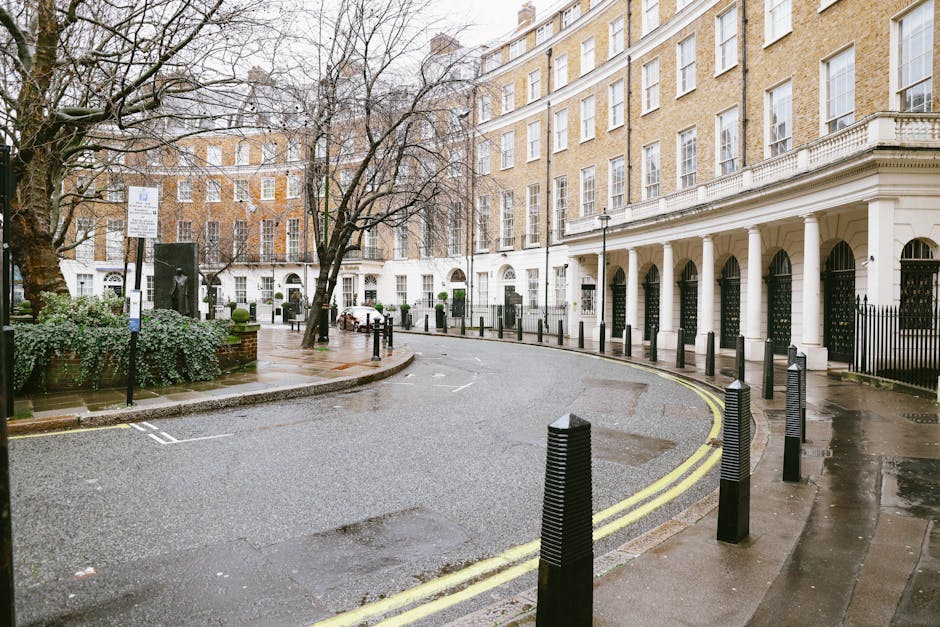
Chester Square and Belgravia sit within one of London's most refined residential areas, but elegance does not always equal ease. If anything, the opposite can be true. The streets are busy, access can be constrained, and property layouts vary from compact flats to generous townhouses with more stairs than you first expected. That means a move between addresses in the area still benefits from careful removals planning.
Why does this matter so much? Because local moves often get underestimated. People assume they can do it in a couple of car loads, then realise the sofa does not turn in the hallway, the lift is too small, or the van cannot stop right outside. In our experience, the "small move" label is usually where the headaches begin.
A good removals plan keeps the day orderly. It also helps protect walls, floors, banisters, antiques, and the sort of furniture that has probably been in the family for years. If you are moving to a flat, the challenge can be even sharper, so it is worth looking at flat removals support when the building layout adds a few extra wrinkles.
Expert summary: Even a short Belgravia move needs real logistics. The shorter the distance, the more people underestimate access, parking, and packing time.
How Moving from Chester Square top removals tips for Belgravia Works
The process is straightforward in theory: assess what you are moving, choose the right transport, pack safely, load efficiently, and deliver everything to the new address. The practical side is where skill matters. A reliable removals team will usually begin with an overview of what needs moving, whether there are bulky items, and how easy it is to park or unload at both addresses.
In central Belgravia, access planning is often just as important as packing. A van may need to wait in a particular spot, the move may need to be timed around traffic, and there may be narrow entrances or stairs that affect the loading order. If you have a very full property, a larger moving truck may be more efficient; for lighter loads, a removal van or man with van arrangement might be the better fit.
Most good moves also include a simple sequence:
- Survey the move and decide what needs to go.
- Sort, declutter, and pack by room.
- Protect fragile or high-value items.
- Reserve the right transport and timing.
- Load in a sensible order so the first items out are the ones you need first.
- Unpack essentials quickly, then deal with the rest in stages.
That last part matters more than people expect. The fastest way to feel "moved in" is not to unpack every box at once. It is to know exactly where the kettle, bedding, chargers, and basic toiletries are. Tiny wins. Big relief.
Key Benefits and Practical Advantages
When you approach a Chester Square to Belgravia move properly, the benefits are immediate. First, you save time. Second, you reduce damage risk. Third, you avoid the kind of last-minute panic that leads to lost keys, missing screws, and boxes labelled "misc.", which is never a helpful category, to be fair.
- Better protection for valuables: A thoughtful packing strategy keeps mirrors, lamps, art, and furniture safer during transit.
- Fewer delays: If the vehicle, route, and access points are planned in advance, the move flows more smoothly.
- Lower physical strain: Professional handling reduces lifting mistakes and awkward carrying.
- Less disruption: Good planning helps you settle faster and get back to normal life sooner.
- More confidence: You know what is happening, what is packed, and where everything is going.
If you are moving a full family home, the benefits really stack up. If you are downsizing or relocating between flats, the value of a well-run move is even more obvious. One wrong lift or a rushed corner turn in a stairwell can cause a lot of bother. A proper removals service takes that pressure off your shoulders.
For people combining moving and storage, a staged move can be especially useful. You can use storage if you need to bridge the gap between completion dates, renovation work, or just a smaller temporary space.
Who This Is For and When It Makes Sense
This guide is for anyone moving from Chester Square into another part of Belgravia, whether you are relocating within the same street, moving a few blocks away, or shifting from a larger residence into a more compact home. It is also useful if you are helping a family member move and need a realistic plan rather than wishful thinking.
It makes sense to follow this approach when:
- you have furniture that needs professional handling;
- you are moving from a flat with limited lift or stair access;
- you want a same-day turnaround;
- you are relocating high-value or fragile items;
- you need a flexible vehicle choice;
- you want to avoid repeated trips across the area.
It also matters if you are moving items that are awkward rather than heavy. Think tall mirrors, headboards, dining tables, or a family piano that has somehow survived three generations and still needs to arrive in one piece. In cases like that, specialist help such as piano removals can be the difference between calm progress and a very long afternoon.
Commercial relocations are a different beast, of course, but the same planning mindset applies. If your move includes a work address or studio space, look at commercial moves or office removals for the right kind of support.
Step-by-Step Guidance
1. Start with a realistic inventory
Walk through every room and write down what is moving. Not just the obvious furniture, but lamps, artwork, kitchenware, mirrors, rugs, plants, and anything stored behind doors or in cupboards. This is the point where people often discover three extra boxes in the utility room. Funny how that happens.
2. Decide what should be packed, sold, donated, or removed
Do not pay to move things you no longer want. It sounds obvious, but many people still pack broken chairs, duplicate side tables, and old furniture "just in case". If you need to clear bulky items, furniture removals or furniture pick up may be useful before the main move.
3. Confirm access at both properties
Check stairs, lifts, door widths, parking limits, and unloading space. Ask yourself: can a van stop nearby without creating problems? Is there room for a trolley? Will the bed frame fit through the corridor without rotating it at a very odd angle? These details sound small until they are not.
4. Choose the right removals support
The right option depends on load size, urgency, and access. A smaller load may suit man and van support, while a more complex household move may benefit from broader removal services or structured house removals.
5. Pack by room and label clearly
Use sturdy boxes, pack heavier items low, and keep each box to a sensible weight. Label on more than one side. You will thank yourself later when boxes are stacked in the hallway and you are trying to find the one with bedding, not the one with pan lids.
It can also help to use packing and boxes guidance or full packing and unpacking services if you are short on time.
6. Protect floors, corners, and fragile items
In high-end homes, the move itself is only half the concern. Scratches on polished floors or chips to painted corners can become expensive annoyances. Wrap furniture well, keep bolts and screws in labelled bags, and pad anything with sharp edges.
7. Load in the right order
Heavy items and awkward furniture usually go in first. Boxes come next, with fragile items secured carefully. Essentials should be easy to unload at the other end. It is simple logic, but it saves a lot of faffing around later.
8. Unpack the essentials first
Set up beds, make the kettle accessible, and keep basic chargers close to hand. If you can make one room feel functional by evening, the whole house feels less chaotic. A move can look half-finished for a few days; that is normal. Don't panic.
Expert Tips for Better Results
Here is the honest truth: the most successful moves are rarely the fanciest. They are the best organised. A few practical habits make a bigger difference than most people expect.
- Book early for busy periods: Fridays, month-end dates, and school holiday windows can fill up fast.
- Keep an essentials bag with you: Documents, keys, medication, phone chargers, a water bottle, and a small snack can save the day.
- Photograph cable setups before disconnecting: This tiny trick saves time later.
- Use colour coding if you have many rooms: It speeds up unloading and reduces confusion.
- Protect sentimental items separately: Family photos, heirlooms, and keepsakes deserve extra attention.
- Tell neighbours or building staff in advance if needed: A little courtesy avoids awkward encounters at the kerb.
If your move involves a very tight schedule, you may want to consider same-day removals. That is not for everyone, but it can be a lifesaver when completion times shift or keys are released later than expected.
And one small tip that sounds almost too simple: keep a marker pen in your pocket, not buried at the bottom of a box. You will use it more than once. Guaranteed.
Common Mistakes to Avoid
Most moving problems are avoidable. That is the frustrating part, but also the encouraging part. Once you know what to watch for, the day becomes much easier.
- Underestimating access issues: A beautiful street can still be tricky for loading and unloading.
- Packing too late: The night-before rush creates broken items and half-labelled boxes.
- Choosing the wrong vehicle size: Too small and you need repeat trips; too large and you may pay for space you do not need.
- Not checking insurance: Valuable items should be handled with proper cover and care.
- Mixing essentials with storage boxes: Then the toothbrush disappears, and so does your patience.
- Ignoring weight distribution: Overfilled boxes can split in transit. A classic mistake, really.
One more thing: do not assume that a short local move can be done casually because it is only a few minutes away. Local does not mean effortless. Sometimes the short route is the one with the hardest parking and the most stairs. London likes a plot twist.
Tools, Resources and Recommendations
You do not need complicated equipment to move well, but a few basic tools make life easier.
- Strong boxes: Use boxes that can handle weight without collapsing.
- Packing paper or bubble wrap: Handy for dishes, glass, and lamps.
- Furniture covers and blankets: Helpful for protecting polished surfaces and larger items.
- Labels and tape: Keep the organisation simple and visible.
- Trolley or moving dolly: Great for heavier items, especially in buildings with a bit of a walk from door to vehicle.
- Toolkit: A basic screwdriver and hex keys help with bed frames, shelves, and fittings.
If you want to compare support levels, it can help to review removal companies and see how different services fit different move sizes. For smaller, simpler moves, removal van arrangements may be enough. For more demanding relocations, a larger moving truck and a fuller team may be the safer choice.
Law, Compliance, Standards, or Best Practice
For a move in Belgravia, the most important compliance points are usually practical rather than dramatic. You want your removals provider to work safely, handle goods carefully, and follow normal UK expectations around insurance, health and safety, and lawful transport practices. If a provider is vague about cover or safety, that is a warning sign.
It is sensible to ask about:
- Insurance and liability: What cover is in place for goods in transit and handling?
- Safe lifting practices: Are heavy items moved using proper technique and equipment?
- Vehicle suitability: Is the vehicle appropriate for the job and the access conditions?
- Property protection: How are floors, walls, and doorways protected?
- Clear terms: Are pricing and responsibilities stated clearly before the move?
That last one is important. A clear agreement avoids confusion, especially if access delays happen or the volume of goods changes. It is also sensible to review the provider's insurance and safety information, along with their health and safety policy, before the move date. If you are comparing costs or scope, the page on pricing and quotes can help you understand how estimates are usually structured.
For sustainability-minded moves, it may also help to think about reuse, recycling, and disposal. If you are clearing out items before moving, the team's recycling and sustainability approach can make a difference to what gets reused versus discarded.
Options, Methods, or Comparison Table
Different moves call for different approaches. Here is a simple comparison to help you choose the right fit.
| Option | Best for | Strengths | Watch-outs |
|---|---|---|---|
| Man and van | Smaller local moves, light household contents, quick transfers | Flexible, efficient, often ideal for short distances | Not always suitable for larger furniture or many boxes |
| Removal van | Moderate household moves with limited access | Good balance of capacity and manoeuvrability | Can still feel tight if the inventory is underestimated |
| Moving truck | Larger homes, fuller loads, longer loading windows | More space, fewer trips, useful for complex moves | May be harder to position on narrow streets |
| Full removal service | Moves with many fragile, heavy, or high-value items | Most support, less stress, better for complicated jobs | Usually the most involved option, so planning matters |
There is no universal winner. A two-bedroom flat move with tight access can be easier with a carefully chosen van than with a bigger lorry. Meanwhile, a larger home with lots of furniture may need a more substantial setup from the start. Let the property and the volume decide, not habit.
Case Study or Real-World Example
Here's a realistic example. A couple moving from Chester Square to another address in Belgravia had a mix of furniture: a bed frame, several large wardrobes, artwork, kitchen boxes, and a couple of delicate mirrors. On paper, the distance was tiny. In practice, the move had three complications: limited kerb space, a narrow internal staircase, and a delivery window that was tighter than expected.
They handled it well by doing three things early. First, they separated essentials from storage items. Second, they booked the right size vehicle rather than guessing. Third, they packed the fragile pieces with more care than they initially thought necessary. The result? No lost time searching for boxes, no scratched table legs, and a much more relaxed arrival at the new property.
What stood out most was not the distance. It was the discipline. They had a plan, and that made all the difference. You could almost hear the collective sigh of relief when the last box came off the vehicle and the kettle was found within minutes. Simple things, but they matter.
Practical Checklist
Use this checklist the day before and on the morning of your move.
- Confirm move time, access details, and parking arrangements.
- Keep keys, documents, and valuables with you.
- Pack an essentials bag for the first night.
- Label all boxes clearly by room and priority.
- Wrap fragile items separately.
- Disassemble furniture if needed, and keep fixings in labelled bags.
- Protect floors and corners where necessary.
- Check that large items can fit through doors and stairwells.
- Do a final room-by-room sweep before the vehicle leaves.
- Have a contact number ready in case timing changes.
If you are still waiting on a completion or key handover, a little flexibility helps. Some moves need patience more than speed. Annoying, yes. But manageable.
Conclusion
Moving from Chester Square to another part of Belgravia is often less about distance and more about detail. The properties are valuable, the access can be awkward, and the margin for a sloppy move is slim. With the right planning, though, it becomes a neat, well-run job rather than a stressful scramble.
Focus on three things: prepare early, choose the right transport and support, and protect the items that matter most. Do that, and the move feels far more controlled. Not perfect, maybe, but properly under control. And that is usually enough.
Get a free quote today and see how much you can save.
When the boxes are stacked and the last lamp is safely in place, you will be glad you took the time to do it right. A calm move really does set the tone for the new home.
Frequently Asked Questions
How far in advance should I book removals for a Chester Square to Belgravia move?
As early as you can, especially if you are moving at month-end, on a Friday, or during school holiday periods. Even short London moves can be busy, and good teams get booked quickly.
Is a man and van service enough for a move within Belgravia?
It can be, if the move is relatively small and access is straightforward. For a light flat move or a few pieces of furniture, it is often a practical choice. For larger homes, you may need something more substantial.
What is the main challenge with moving in Chester Square and Belgravia?
Access. Parking, narrow entrances, stairways, and property layout are usually the biggest variables. The actual distance is short, but the logistics can still be tricky.
Do I need professional packing help?
Not always. But if you have fragile items, limited time, or a lot of rooms to cover, packing help can save a surprising amount of stress. It also reduces the odds of rushed packing mistakes.
How do I know whether I need a removal van or a moving truck?
Think about volume, not just item count. A few bulky pieces may fit neatly into a van, while a fuller household move may need a larger truck to avoid multiple trips.
Can I move valuable or fragile items safely?
Yes, but they should be packed and loaded carefully. Use proper wrapping, keep them separate from heavier boxes, and tell the removals team which items need extra attention.
What should I keep with me on moving day?
Keys, ID, payment details if needed, chargers, medication, important paperwork, and a small essentials bag. Keep those with you rather than in a box somewhere in the middle of the pile.
Is storage useful during a Belgravia move?
Definitely, if your move dates do not line up neatly or you are downsizing. Storage can make a complicated schedule feel a lot more manageable.
What happens if access at the new property is tighter than expected?
A good removals team will adapt, but it can add time. That is why access checks before moving day are so useful. A small amount of preparation avoids a lot of last-minute improvising.
Are same-day removals realistic for this kind of move?
They can be, depending on the size of the move and availability. They are best suited to simpler relocations or urgent situations where timing has changed unexpectedly.
How can I reduce the risk of damage during the move?
Pack properly, use good boxes, protect corners and surfaces, and choose a team that handles goods carefully. Also, try not to overfill boxes. That one causes more issues than people think.
Where can I get more information about safety, pricing, or company background?
It is sensible to review the provider's about us, insurance and safety, and pricing and quotes information before booking. Those pages help you judge whether the service fits your expectations.